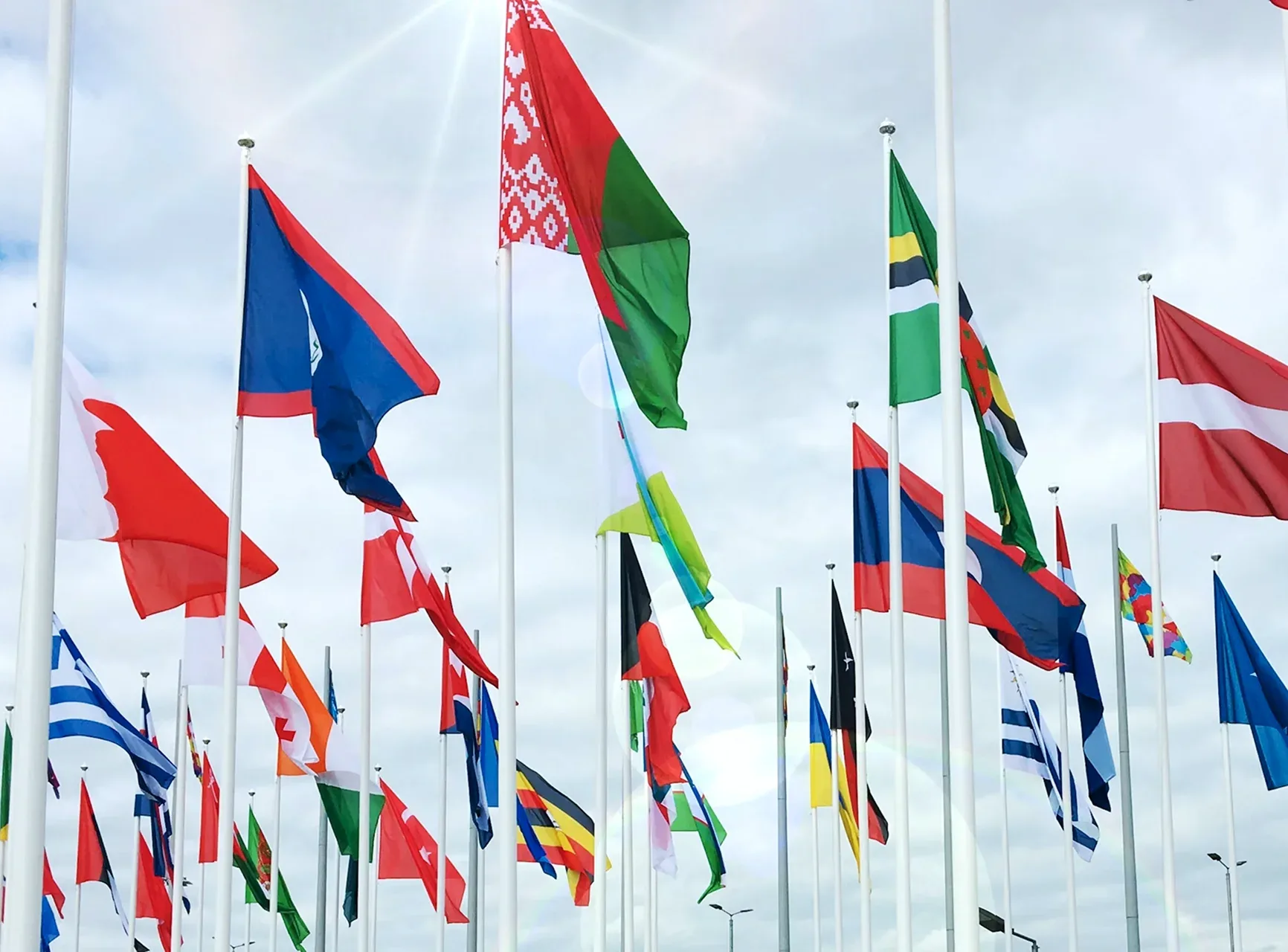
Internationalization is one of the main reasons for undertaking a mergers and acquisitions (M&A) process, for two reasons. First, it's a safer way to gain scale, since the company teams up with a local partner that already knows the domestic market. Second, it's a faster growth alternative than organic growth. That said, like anything else, it's not without risks.
What opportunities and challenges do companies face when they decide to expand by merging with or acquiring a foreign company? What should they keep in mind to make a cross-border deal a success?
5 benefits of internationalization through M&A
Internationalizing a company through M&A offers a range of strategic, financial, and operational benefits, including the following:
1. Diversification
Merging with or acquiring an existing company opens the door to a larger customer base and/or the sale of new products and/or services. This diversification strategy pays off not only through a potential increase in revenue, but also in the way described in the second benefit of internationalization through M&A.
2. Minimizing risk
As a result of the above, that diversification also spreads risk. Diversifying operations across different countries protects the company from economic swings in other markets, local regulatory changes, and political instability.
3. Economies of scale
Lower costs, streamlined processes, greater efficiency, and synergies are the main advantages of the economies of scale that come with greater size. For manufacturers in particular, a key benefit is supply chain optimization through the acquisition of production, storage, and distribution facilities in strategic locations.
4. Access to new resources, innovation, and talent
Natural resources and raw materials that can also be used to diversify production, along with access to new local talent that brings a different perspective, enrich companies. Access to new technologies and R&D capabilities is also key, as they drive the innovation that is so necessary today.
5. Greater competitiveness
Acquiring rivals or complementary companies undoubtedly strengthens a company's competitive position in the global market. In the case of rivals, it also reduces competition.
6 challenges of internationalization through M&A
As you can see, the benefits of internationalization through M&A are broad, but so are the challenges. Beyond financial issues, which should be resolved before looking at other aspects, the main challenges are:
1. Regulatory
The main challenge of internationalizing through mergers or acquisitions is regulation, on two fronts. The first relates to the M&A regulatory framework, which can complicate compliance, extend timelines, and increase costs, not to mention the conditions for approving the deal, which often involve divesting assets to safeguard free competition.
The second relates to local regulation of the business activity. It's advisable to study all the legal implications (commercial, administrative, tax, etc.) to avoid future problems that could erode growth potential.
2. Cultural differences
Language barriers and differences in communication styles are increasingly taking a back seat, and cultural integration is now the biggest challenge. This is no small matter, especially for companies that are just starting to internationalize. Merging different corporate cultures can create conflict and resistance among employees, affecting productivity.
3. Change management
Employees may also resist change, especially if they fear for their jobs or aren't aligned with the new strategic direction. Retaining local talent is key to success.
4. Operational integration
Integrating different technology systems and operating processes is complex and costly, requiring significant investment in IT and consulting.
5. Legal and contractual aspects
Existing contracts may need to be reviewed and renegotiated. This can be a long and complicated process, but it helps avoid potential litigation after the deal.
6. Political risks
Today, no country is immune to political instability. In the past, it might have been seen as more likely in emerging countries, but the shifting political map in Europe shows that no country is exempt. This brings regulatory changes and protectionist measures that can hurt not only the deal but also how the business performs in the target country.
Without a doubt, advice from experts in international M&A processes is key to successful internationalization. At Deale, we have more than 800 advisors specializing in mergers and acquisitions who can help you.